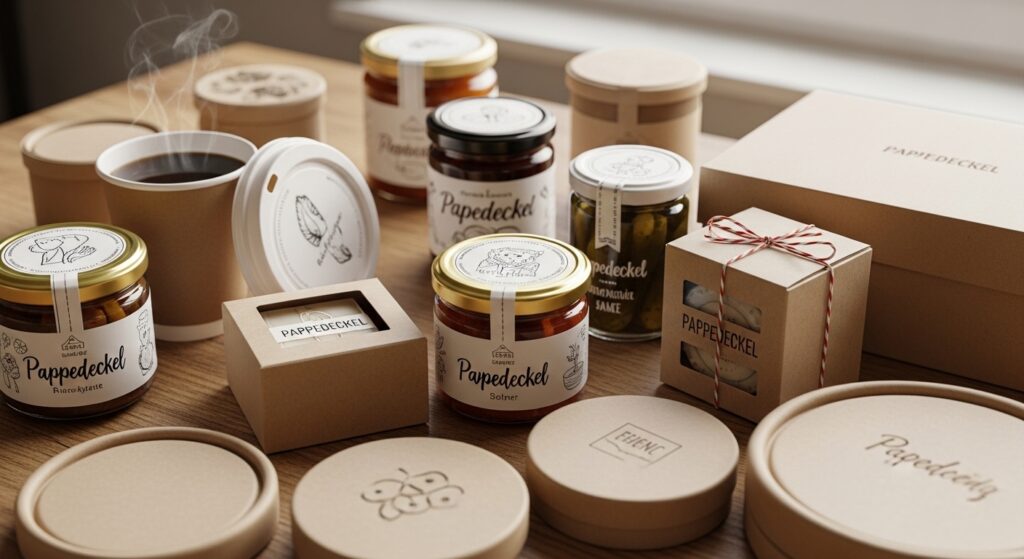
In a world increasingly focused on sustainability and practical packaging solutions, the pappedeckel has emerged as a versatile, eco-friendly alternative to plastic and metal lids. Derived from high-quality cardboard, pappedeckel are widely used across industries such as food service, retail packaging, and even DIY projects. Their adaptability and low environmental footprint make them a popular choice for businesses and consumers alike.
From protecting contents in takeaway containers to serving as a base for creative crafts, the pappedeckel is a simple item with remarkable utility. Understanding its applications, materials, and benefits provides insight into why this humble object has gained attention in both industrial and home settings.
The History and Evolution of Pappedeckel
The history of the pappedeckel can be traced back to the early 20th century, when cardboard became a preferred material for packaging due to its lightweight, low cost, and recyclability. Initially, pappedeckel were primarily used for food containers such as pies, cakes, and pastries. Over time, manufacturers innovated designs to improve durability, water resistance, and aesthetic appeal.
Modern pappedeckel come in a variety of shapes, sizes, and finishes. Some feature laminated coatings to resist moisture, while others are untreated for eco-conscious brands seeking fully biodegradable solutions. This evolution reflects not only changing consumer preferences but also advances in cardboard manufacturing technology.
Materials Used in Pappedeckel
The choice of materials is critical in the production of pappedeckel. Most are made from layered cardboard or paperboard, with additional coatings or lamination for specific uses. Here is a breakdown of common materials:
| Material Type | Characteristics | Typical Use Cases |
|---|---|---|
| Virgin Cardboard | Strong, smooth surface | Premium packaging, bakery items |
| Recycled Cardboard | Eco-friendly, slightly rough | Bulk packaging, disposable containers |
| Laminated Paperboard | Water-resistant, durable | Coffee cups, takeaway food lids |
| Corrugated Cardboard | High rigidity | Large container lids, industrial use |
These materials allow manufacturers to select the most suitable pappedeckel for a given purpose, balancing cost, strength, and environmental impact.
Industrial Applications of Pappedeckel
The industrial sector relies on pappedeckel for a variety of packaging solutions. Their lightweight nature reduces shipping costs, while their structural integrity protects products during transit. Key applications include:
-
Food and Beverage Packaging: Pizza boxes, coffee cups, and cake containers often feature pappedeckel designed to maintain freshness and prevent contamination.
-
Retail Packaging: Small electronics, cosmetics, and apparel sometimes use cardboard lids to secure and protect items while providing a recyclable alternative to plastic.
-
Storage Solutions: Factories and warehouses utilize pappedeckel as lids for bins and boxes, ensuring that inventory remains organized and protected from dust or moisture.
The versatility of cardboard makes it an ideal material for mass production, and businesses increasingly favor it for its cost-effectiveness and eco-friendliness.
Pappedeckel in Sustainable Packaging
Sustainability is a major driver behind the growing popularity of pappedeckel. Unlike plastic or metal lids, cardboard can be easily recycled or composted. This makes it an attractive option for companies aiming to reduce their environmental footprint.
| Environmental Factor | Pappedeckel | Plastic Lids | Metal Lids |
|---|---|---|---|
| Recyclability | High | Low | Moderate |
| Biodegradability | Yes | No | No |
| Carbon Footprint | Low | High | Medium |
| Production Cost | Low | Moderate | High |
As illustrated in the table above, pappedeckel offer multiple environmental advantages. Companies that adopt cardboard lids not only reduce waste but also appeal to eco-conscious consumers who prioritize sustainability.
Creative Uses of Pappedeckel
Beyond industrial and commercial uses, pappedeckel have found a place in creative and educational projects. Their simple structure and availability make them ideal for crafts, DIY home projects, and even art installations. Popular applications include:
-
Art and Crafts: Painting, stencil work, and paper mache projects often use pappedeckel as a base or support structure.
-
Educational Tools: Teachers can repurpose cardboard lids for teaching geometry, sorting games, or creative learning activities.
-
Event Decoration: Customized pappedeckel can be used as coasters, party hats, or decorative bases for cakes and gifts.
This versatility extends the value of pappedeckel beyond packaging, demonstrating how a simple item can inspire creativity and innovation.
Design Considerations for Pappedeckel
Designing effective pappedeckel requires attention to several factors, including size, fit, strength, and aesthetics. Manufacturers often consider the following:
-
Size and Fit: Lids must perfectly match the container’s dimensions to ensure a secure seal and prevent spillage.
-
Strength and Durability: Depending on use, some pappedeckel need reinforced edges or thicker layers to withstand handling and weight.
-
Aesthetic Appeal: Custom printing, colors, and finishes can enhance brand identity while keeping packaging visually appealing.
-
Sustainability: Choosing recyclable or compostable materials aligns with environmental goals and consumer expectations.
Effective design ensures that pappedekel not only serve their functional purpose but also contribute to overall user satisfaction.
Manufacturing Process of Pappedeckel
The production of typically involves several steps:
| Step | Description |
|---|---|
| Material Preparation | Cardboard sheets are selected based on thickness and quality. |
| Cutting and Shaping | Sheets are die-cut or machine-cut into the desired shape and size. |
| Coating or Laminating | Optional step to add moisture resistance or aesthetic finishes. |
| Printing | Logos, patterns, or product information are printed as required. |
| Quality Control | Each batch is inspected for consistency, durability, and finish. |
This systematic process ensures that each meets industry standards while remaining cost-effective and eco-friendly.
Advantages of Using Pappedeckel
The benefits of using pappedeckel extend across practical, economic, and environmental domains:
-
Cost Efficiency: Cardboard is cheaper to produce than metal or plastic, reducing packaging costs.
-
Lightweight and Easy to Transport: Less weight lowers shipping costs and simplifies handling.
-
Customizable: Cardboard can be printed, shaped, and coated for branding purposes.
-
Eco-Friendly: Fully recyclable and biodegradable, helping companies meet sustainability goals.
These advantages make a preferred choice for businesses looking to combine practicality with environmental responsibility.
Challenges and Limitations
While versatile, pappedeckel have limitations. They are less durable than metal or plastic lids, particularly when exposed to moisture or heavy loads. Additional treatments like lamination can increase water resistance but may compromise biodegradability. Additionally, complex shapes may require advanced manufacturing techniques, increasing costs for small-scale producers.
Understanding these limitations helps businesses make informed decisions about when and where to use effectively.
Future Trends in Pappedeckel Use
The future of is closely linked to sustainability and innovation in materials science. Emerging trends include:
-
Biodegradable Coatings: New coatings improve water resistance while remaining compostable.
-
Smart Packaging: Integration with QR codes or NFC tags for product information.
-
Lightweight Reinforcements: Innovative structural designs that maintain durability without increasing weight.
-
Circular Economy Initiatives: Programs to reuse or recycle cardboard lids, reducing waste and resource consumption.
As industries increasingly prioritize eco-friendly and innovative packaging solutions, pappeckel are poised to remain an important component of sustainable design.
Conclusion
The pappedeckel may seem like a simple item, but its impact on packaging, sustainability, and creative applications is significant. From food service to retail and from arts to eco-friendly initiatives, cardboard lids offer practical, cost-effective, and environmentally responsible solutions.
With ongoing advancements in materials and design, the role of is set to expand, reinforcing its position as a versatile, indispensable tool for both businesses and creative individuals. Understanding its benefits, challenges, and applications ensures that this humble cardboard lid continues to make a meaningful difference in industries and everyday life.