Sewing is an art that combines creativity with precision. At the heart of every beautifully crafted garment lies one essential element: seams. These seemingly simple stitches play a crucial role in determining the durability, appearance, and fit of your creations. Whether you’re a seasoned tailor or just starting out on your sewing journey, understanding the different types of seams—known as Nahttypen—is vital for achieving professional results.
From classic plain seams to intricate French seams, each type serves a unique purpose and can dramatically change the look and feel of your fabric. In this guide, we’ll explore various seam types while helping you discover which ones are best suited for your specific projects. So grab your needle and thread; let’s dive into the fascinating world of Nahttypen!
Plain Seam
The plain seam is one of the most fundamental techniques in sewing. It’s often the first seam beginners learn, and for good reason. This simple method involves placing two fabric pieces right sides together and stitching along the edge.
With a standard 1/4 to 5/8 inch seam allowance, it provides a clean finish that can be used for various projects. From garments to home textiles, its versatility makes it a favorite among sewers of all skill levels.
One key aspect of the plain seam is its ease of construction. It requires minimal tools—just your sewing machine and some thread. You can also choose to finish raw edges with pinking shears or an overlock stitch for added durability.
When done correctly, this seam creates strong joins without bulkiness. The result is professional-looking seams that lay flat against the fabric surface.
French Seam
The French seam is a favorite among sewists for its elegant finish and durability. This technique encloses raw edges, giving garments a polished look.
To create a French seam, start by stitching the fabric pieces with wrong sides together. This might seem counterintuitive, but it’s key to achieving that clean edge. Once you’ve sewn the initial seam, trim the excess fabric for a neater appearance.
Next, fold the fabric so right sides are together and sew again along the same line. This second stitch hides any fraying edges inside, ensuring longevity in your project.
Perfect for lightweight fabrics like silk or chiffon, this seam adds an extra touch of sophistication to blouses and skirts. Plus, it prevents raveling over time—a win-win for both aesthetics and practicality!
Flat-Felled Seam
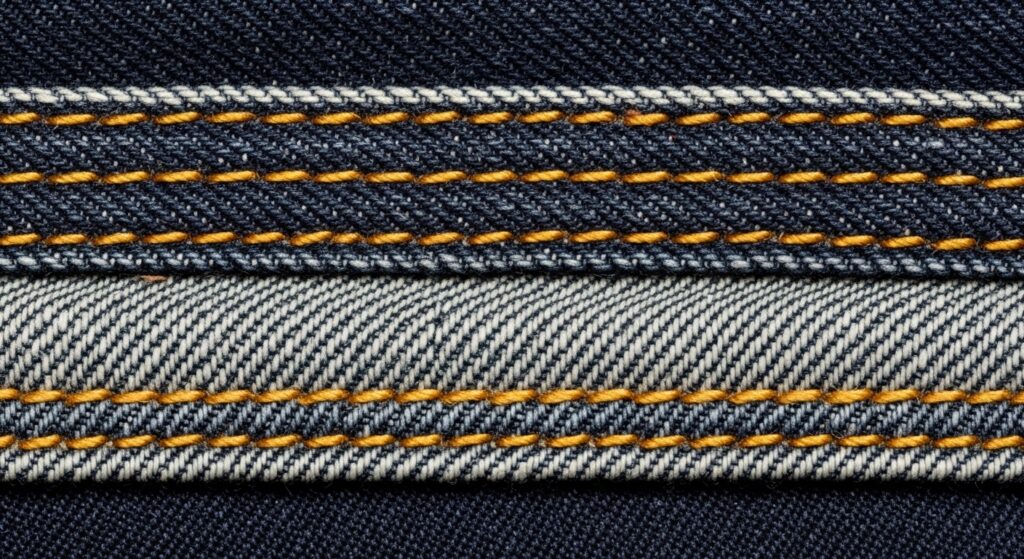
The flat-felled seam is a favorite among those who seek durability in their sewing projects. This seam offers a clean finish that stands the test of time, making it ideal for items like denim and heavy fabrics.
To create a flat-felled seam, you start with two fabric pieces placed right sides together. After stitching them together, one of the fabric layers gets trimmed away. The longer edge is then folded over the short edge and stitched down again. This not only hides raw edges but also reinforces the join.
Beyond its strength, this type of seam provides an aesthetically pleasing look, showcasing neatness on both sides of the fabric. It’s often seen in casual wear and work garments because it can withstand substantial stress while maintaining style.
When exploring different nahttypen for your next project, consider how well this technique can elevate both functionality and visual appeal in your creations.
Overlock Seam
The overlock seam is a favorite among sewists for its versatility and durability. This technique involves using an overlock machine, which trims the fabric edges while simultaneously stitching them together.
One of the standout features of the overlock seam is its ability to prevent fraying. The tightly sewn edge creates a clean finish that can withstand regular wear and tear.
Overlock seams work wonders on knits and stretch fabrics, providing flexibility without compromising strength. They’re often used in garments like t-shirts or leggings where movement is key.
This seam type also offers a professional look, giving your projects that polished touch. Whether you are new to sewing or an experienced crafter, mastering the overlock seam can elevate your garment-making skills significantly.
How to Choose the Right Seam for Your Project
Choosing the right seam for your project can significantly impact both the look and durability of your finished piece. Start by considering the type of fabric you’re using. Lightweight materials often benefit from delicate seams, while heavier fabrics may require sturdier options.
Think about how much stress your seams will endure. For garments that experience a lot of movement, opt for flexible seams like overlock or flat-felled seams to ensure they withstand wear and tear.
Also, take into account the aesthetic you wish to achieve. A French seam offers a clean finish that’s perfect for sheer fabrics, adding an elegant touch to blouses or dresses.
Don’t forget about ease of construction. Some seams demand more precision and time than others. Choose one that matches your skill level while still achieving your desired outcome in terms of both style and functionality.
Choosing the Right Seam for Your Project
Choosing the right seam for your project can make a significant difference in both appearance and durability. Consider the fabric type first. Lightweight fabrics may require delicate seams, while heavy materials need sturdier options.
Think about how the garment will be used. For Nahttypen everyday wear, a plain seam is often sufficient. However, if you’re crafting something that experiences frequent movement or stress, stronger alternatives like flat-felled or overlock seams are ideal.
Don’t overlook aesthetics either. A French seam provides a beautiful finish on sheer fabrics—perfect for elegant garments.
Assess your sewing skills and tools available to you. Some seams are more complex than others and might require special machines or techniques. Choose what aligns with your comfort level to ensure an enjoyable sewing experience.
Conclusion
Understanding the various Nahttypen can significantly impact your sewing projects. Each seam type serves a unique purpose and offers distinct advantages, whether you’re aiming for durability, aesthetics, or ease of construction.
A plain seam is perfect for basic garments, while a French seam provides a neat finish ideal for delicate fabrics. If you’re looking to combine strength with style, consider the flat-felled seam; it’s commonly used in jeans and workwear. The overlock seam brings efficiency to knit fabrics and unravels beautifully.
When selecting a seam type for your project, keep in mind the fabric you’ve chosen and the overall look you aim to achieve. Consider factors like stretchability and how much wear the finished item will endure.
By exploring these different types of seams—Nahttypen—you’ll not only improve your sewing skills but also elevate your results as you create beautiful pieces tailored to your vision. Happy sewing!