
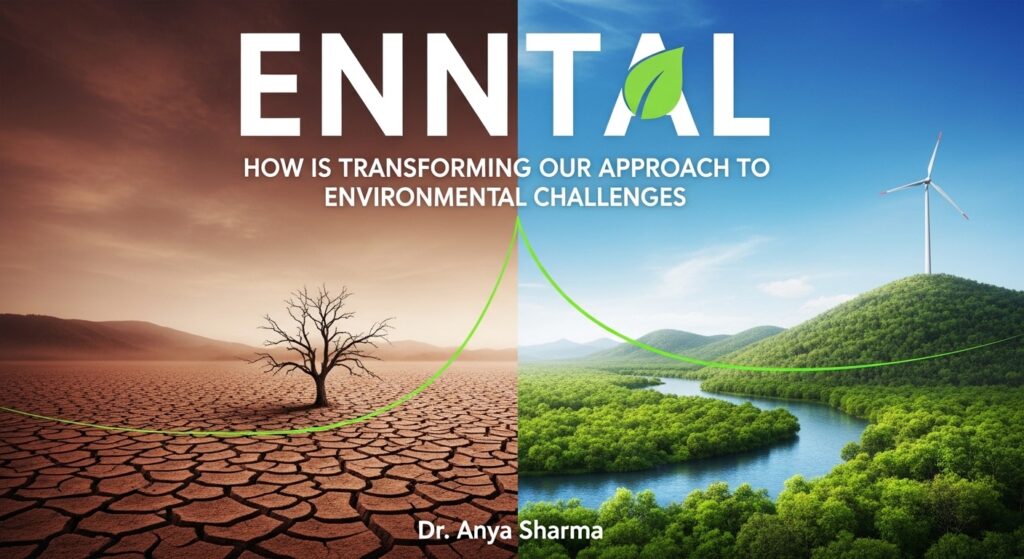
In a world grappling with escalating environmental challenges, innovative solutions are more crucial than ever. Enter Enntal—a groundbreaking approach that is redefining how we tackle ecological issues. With climate change, pollution, and biodiversity loss threatening our planet’s future, traditional strategies often fall short. What if there was a way to unite diverse perspectives and expertise to create holistic solutions? Enntal aims to do just that by fostering collaboration among stakeholders while prioritizing sustainable practices. Join us as we delve into the transformative power of Enntal and explore its potential to revolutionize our approach to environmental sustainability.
Understanding Environmental Challenges
Environmental challenges are complex and multifaceted. They encompass issues like climate change, pollution, biodiversity loss, and resource depletion. Each of these problems is interconnected, creating a web of consequences that can be difficult to untangle.
Climate change stands out as one of the most pressing concerns. Rising temperatures lead to extreme weather patterns, threatening ecosystems and human livelihoods alike. This affects everything from agriculture to water supplies.
Pollution further complicates matters. Contaminants in air, soil, and water impact health and wildlife populations. Plastic waste has become an epidemic that clogs oceans and landscapes.
Biodiversity loss poses another significant threat. As habitats shrink due to urbanization or industrial activities, countless species face extinction.
Understanding these challenges requires more than awareness; it demands collective action across various sectors—governmental bodies, corporations, communities—to forge effective solutions that address not just symptoms but root causes.
The Traditional Approach to Environmental Solutions
The traditional approach to environmental solutions has often relied on a reactive stance. This means addressing issues only after they arise, rather than preventing them from happening in the first place.
Governments and organizations typically implement regulations aimed at minimizing harm. While these efforts can be beneficial, they frequently lack the urgency required for effective change.
Moreover, there is a tendency to focus on isolated problems. Pollutants are tackled separately without considering their interconnectedness with broader ecological systems.
This piecemeal strategy can lead to temporary fixes that fail to deliver long-term benefits. It also creates gaps where crucial factors are overlooked or ignored altogether.
As climate change accelerates and resources dwindle, this outdated method appears increasingly inadequate. A new framework is essential—one that fosters collaboration and innovation across sectors for more comprehensive solutions.
How Enntal is Different: A Collaborative and Holistic Approach
Enntal stands out with its unique approach to tackling environmental issues. Unlike traditional methods, it emphasizes collaboration among various stakeholders. This includes governments, businesses, and local communities working together towards shared goals.
The holistic nature of Enntal’s methodology is equally important. It doesn’t just address one problem in isolation but considers the interconnectedness of ecological systems. By viewing challenges through a broader lens, solutions become more sustainable and effective.
This collaborative framework encourages innovation. Diverse perspectives lead to creative solutions that might not emerge in conventional settings. Together, participants can share resources and knowledge, driving impactful change that resonates across regions and sectors.
This model fosters a sense of ownership among all involved parties. When everyone has a stake in the outcome, commitment levels rise significantly—and real progress becomes possible.
Case Studies of Successful Implementation of Enntal
One notable case study involves a coastal community grappling with rising sea levels. By integrating Enntal’s framework, residents collaborated with local authorities to create adaptive strategies that preserved both the environment and livelihoods. Together, they designed sustainable infrastructure that enhanced ecosystem resilience.
Another example comes from an urban setting where air quality was deteriorating rapidly. Utilizing Enntal’s holistic approach, stakeholders engaged in extensive dialogues across different sectors. This led to innovative solutions like green spaces and smart transport systems that significantly improved air conditions while fostering community engagement.
In agricultural regions facing droughts, farmers adopted Enntal’s model to share resources and knowledge about sustainable practices. This collaboration resulted in increased crop yields while conserving water—showing how collective efforts can lead to remarkable outcomes for both people and nature.
Benefits of Adopting the Enntal Model
Adopting the Enntal model brings numerous advantages for communities and organizations alike. By fostering collaboration, it encourages diverse stakeholders to come together. This collective effort often leads to innovative solutions that would be unattainable in isolation.
The holistic nature of Enntal also promotes sustainability across various sectors. Rather than addressing symptoms, this approach tackles root causes of environmental issues, ensuring long-term benefits.
Additionally, implementing the Enntal model can enhance resilience against climate-related challenges. Communities become better equipped to adapt and thrive amid changing conditions.
Financially speaking, investing in collaborative initiatives frequently results in cost savings over time. Shared resources mean reduced expenditures, improving overall efficiency.
Embracing this model cultivates a sense of ownership among participants. When individuals feel connected to their environment through shared responsibility, they are more likely to engage actively in preserving it for future generations.
Challenges and Criticisms
Despite its innovative approach, Enntal faces several challenges and criticisms. One major concern is scalability. While the model thrives in localized settings, expanding it globally poses logistical hurdles.
Another point of contention revolves around funding. Critics argue that collaborative initiatives can struggle to attract investment compared to traditional methods. This financial uncertainty may hinder long-term sustainability efforts.
Furthermore, there are doubts about the effectiveness of collective action when dealing with complex environmental issues. Some skeptics believe that a more structured hierarchy might yield quicker results.
Additionally, achieving consensus among diverse stakeholders can be cumbersome. Competing interests often lead to conflict, undermining collaboration’s potential benefits.
Measuring impact remains an ongoing challenge. Without clear metrics or benchmarks, evaluating success becomes subjective and open to interpretation. These concerns illustrate that while Enntal presents a fresh perspective on environmental solutions, it is not without its obstacles and critiques.
Future Possibilities and Impact on Global Environmental Issues
The potential for Enntal to reshape our environmental landscape is enormous. By fostering collaboration among various stakeholders, it opens doors to innovative solutions that were previously overlooked.
Imagine cities where businesses, governments, and communities unite around sustainability goals. This synergy can lead to groundbreaking initiatives in renewable energy, waste reduction, and conservation efforts.
Moreover, as nations grapple with climate change impacts, Enntal offers a framework for shared responsibility. It encourages knowledge exchange and resource pooling on a global scale.
This approach not only addresses immediate issues but also sets the stage for long-term resilience against environmental challenges.
With advancements in technology and data analytics integrated into the Enntal model, real-time decision-making becomes feasible. This could revolutionize how we respond to ecological crises worldwide.
As more people adopt this mindset of cooperation over competition, we may witness unprecedented progress toward healing the planet.
Why We Need to Embrace a New Approach like
Environmental crises are escalating. Traditional methods often fall short, proving inadequate against the complexity of today’s challenges. We need innovative solutions that can adapt and respond swiftly.
Enntal offers a fresh perspective by fostering collaboration across various sectors. This approach unites governments, businesses, and communities to tackle issues collectively rather than in isolation.
Moreover, our planet requires holistic strategies that consider ecological balance alongside social needs. Enntal emphasizes sustainable practices while promoting economic growth.
The urgency is palpable; climate change, biodiversity loss, and pollution demand immediate attention. A shift toward models like Enntal could ignite transformative changes essential for a healthier future.
By embracing this new way forward, we not only address current environmental concerns but also pave the way for generations to come. The time for change is now—a collective effort has never been more crucial.
Conclusion
The Enntal approach signifies a remarkable shift in how we tackle environmental challenges. By promoting collaboration and embracing a holistic mindset, it encourages innovative solutions that traditional methods often overlook. As demonstrated through various successful case studies, this model not only addresses current issues but also paves the way for sustainable practices that can be adopted globally.
Embracing Enntal could lead to transformative changes across industries. The benefits are numerous—from enhanced community involvement to improved resource management and reduced ecological footprints. While there may be challenges and criticisms regarding its implementation, the potential impact far outweighs these concerns.
As humanity faces an escalating climate crisis, it is imperative to rethink our strategies. Our planet deserves forward-thinking solutions like those offered by Enntal—solutions designed not just for today but for generations to come. Adopting this fresh perspective on environmental stewardship might be exactly what we need to foster a healthier relationship with our world and ensure its survival for future inhabitants.