
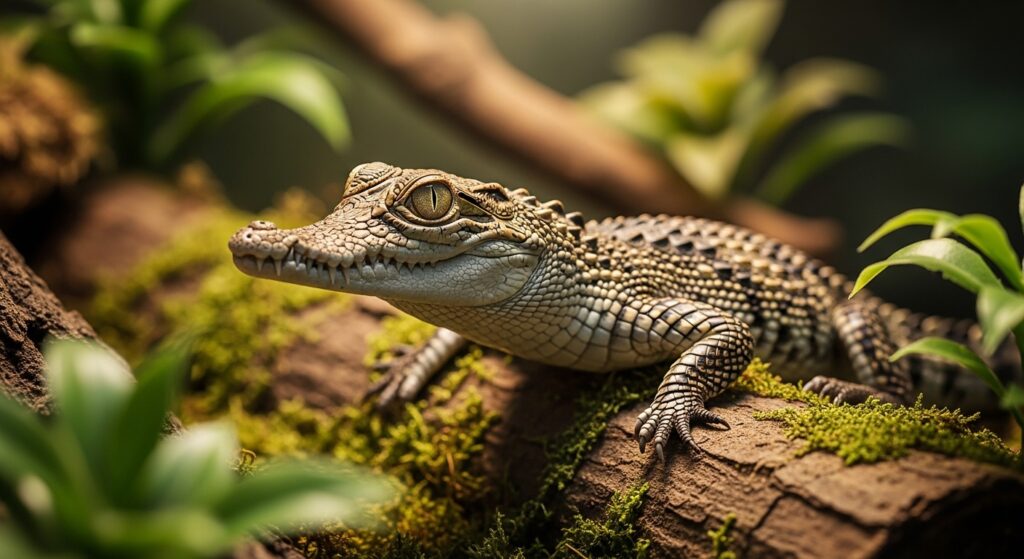
Welcome to the captivating world of Crocolini! These miniature crocodiles might be small in size, but they pack a punch when it comes to charm and intrigue. Originating from various tropical habitats, Crocolini are not just adorable; they play a vital role in their ecosystems. With their unique features and fascinating behaviors, these little reptiles have captured the hearts of wildlife enthusiasts and researchers alike. Join us as we dive deeper into the lives of these remarkable creatures and uncover what makes them so special.
The Appearance and Size of Crocolini
Crocolini are captivating creatures, often mistaken for their larger relatives. Their petite stature is one of their most distinctive features. Typically, these miniature crocodiles measure around two to three feet in length.
Their skin showcases an array of stunning colors. Shades of green and brown provide excellent camouflage among the reeds and murky waters they inhabit. The texture is rugged yet smooth, with a series of small scales that glisten under sunlight.
Facial structures also differ from traditional crocodiles. Crocolini have more slender snouts, designed perfectly for catching smaller prey in tight spaces. With bright eyes peering out above the water’s surface, they exude an aura of curiosity mixed with stealth.
Despite their size, these reptiles possess sharp teeth and powerful jaws capable of surprising strength when capturing food or defending themselves against threats. This combination makes them both fascinating and formidable despite their diminutive stature.
Habitat and Distribution of Crocolini
Crocolini inhabit a variety of freshwater ecosystems. These miniature crocodiles thrive in swamps, rivers, and lakes. Their preference for warm climates plays a significant role in their distribution.
Primarily found in tropical regions, Crocolini are most commonly spotted in Southeast Asia and parts of Africa. They often seek out dense vegetation along riverbanks for shelter and hunting opportunities.
These small reptiles are adept at camouflaging within their surroundings. This ability helps them avoid predators while also preparing for ambushes on unsuspecting prey.
The availability of suitable habitats directly influences their population density. As human activities encroach upon these environments, the thriving populations may face challenges that could impact their future.
Diet and Hunting Behavior
Crocolini, the miniature crocodiles, have a fascinating approach to their diet and hunting. These small reptiles primarily feed on fish, insects, and crustaceans found in their wetland habitats.
Their hunting behavior is quite agile for such compact creatures. Crocolini often employ ambush tactics. They will lie motionless near the water’s edge until prey comes into striking range.
When they attack, it’s swift and precise. Sharp teeth are perfect for gripping slippery fish or snatching quick-moving insects. Their keen eyesight allows them to spot prey even in murky waters.
In addition to being opportunistic feeders, Crocolini also engage in scavenging when necessary. This adaptability plays a crucial role in their survival within diverse ecosystems where food availability can fluctuate seasonally.
Reproduction and Lifecycle
Crocolini exhibit intriguing reproductive behaviors that set them apart from their larger relatives. Mating usually occurs during the wet season when conditions are optimal for nesting.
Females build nests from vegetation near water bodies, creating a safe environment for their eggs. The typical clutch consists of around 10 to 20 eggs, carefully laid and covered with foliage to provide insulation.
After about three months of incubation, hatchlings emerge. They are incredibly small yet instinctively head towards the water immediately after birth. Their survival rates can be low due to predators in their habitat.
The young Crocolini rely on camouflage and agility as they navigate through shallow waters and marshes. As they grow, they gradually transition into more independent lifestyles, hunting smaller prey while continuing to develop essential skills needed for survival in adulthood.
The Role of Crocolini in the Ecosystem
Crocolini play a crucial role in their ecosystems. As apex predators, they help maintain the balance of aquatic habitats. By controlling fish and invertebrate populations, they ensure that these communities remain healthy.
Their presence influences the behavior of other species as well. Many animals avoid areas where Crocolini thrive, which helps shape local biodiversity. This avoidance can lead to increased numbers of certain prey species, thereby enhancing vegetation growth along riverbanks.
Moreover, Crocolini contribute to nutrient cycling within their environments. Their hunting habits and eventual decomposition support various scavengers and decomposers. This process enriches the ecosystem’s soil quality, fostering plant growth.
These miniature crocodiles also serve as indicators of environmental health. Changes in their populations may signal shifts in water quality or habitat conditions, making them vital for conservation efforts aimed at preserving fragile ecosystems.
Conservation Efforts for Crocolini
Conservation efforts for Crocolini are gaining momentum as awareness grows about their unique place in the ecosystem. Organizations worldwide focus on habitat preservation and restoration, ensuring these miniature crocodiles have a safe environment to thrive.
Additionally, research initiatives are underway to better understand their behaviors and needs. This knowledge is crucial for developing effective protection strategies. Local communities are encouraged to participate actively in conservation programs, fostering a sense of stewardship over their natural habitats.
Education plays an equally vital role. Public campaigns aim to inform people about the importance of Crocolini and the challenges they face due to habitat loss and climate change. By promoting sustainable practices, we can help mitigate human impact on their ecosystems.
Collaboration between governments, NGOs, and researchers has proven essential in conserving Crocolini populations. These partnerships work toward creating reserves that safeguard both the creatures themselves and the delicate environments they inhabit.
Conclusion
Crocolini, with their unique charm and captivating characteristics, bring a new perspective to the world of reptiles. These miniature crocodiles may be small in size but play significant roles within their ecosystems. Understanding their habitat, diet, and behavior offers deeper insights into the intricate balance of nature.
As conservation efforts continue, it is vital to raise awareness about these remarkable creatures. Protecting Crocolini not only benefits them but also preserves the biodiversity that enriches our planet. Their fascinating world is worth exploring further as we strive for coexistence with all wildlife. Embracing this understanding can lead us toward a more sustainable future where diverse species thrive together harmoniously.