
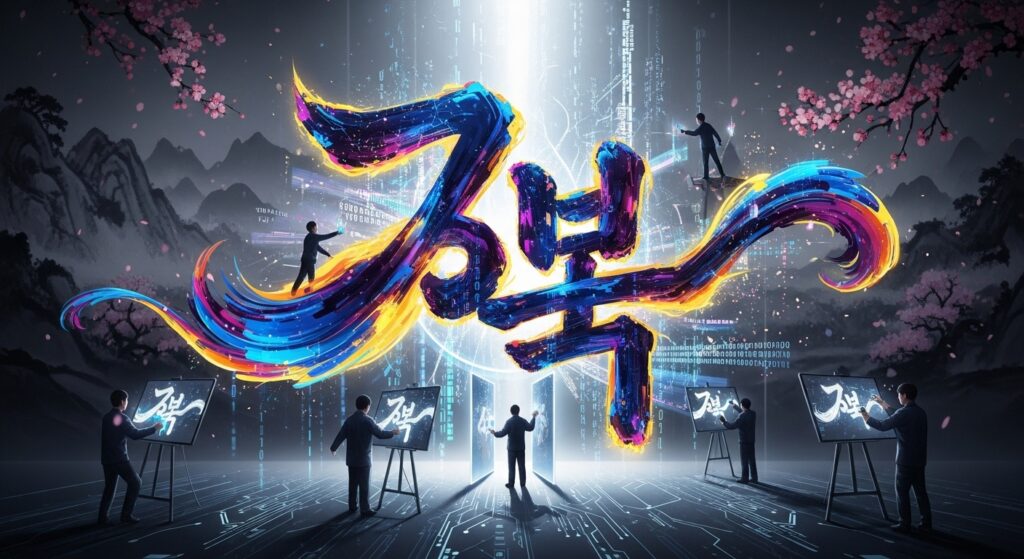
Gommeok is more than just a technique; it’s a revolution in the realm of creative expression. As modern art continues to evolve, Gommeok stands at the forefront, captivating artists and audiences alike with its unique charm. This innovative approach intertwines tradition and modernity, offering limitless possibilities for those willing to explore. Whether you’re an artist seeking new inspiration or an art enthusiast eager to understand this dynamic form, Gommeok invites you into a world where boundaries blur and creativity knows no limits. Join us as we dive deeper into how Gommeok is reshaping the landscape of contemporary art!
The History of Gommeok and How it Became a Popular Art Form
Gommeok traces its roots to ancient traditions, where artists skillfully blended different techniques and materials. Initially, this art form emerged from the need for self-expression within local cultures. As societies evolved, Gommeok began to take on new meanings. It adapted with changing tastes and technologies. Artists started incorporating unconventional elements, pushing boundaries further than ever before.
The rise of digital platforms played a significant role in its popularity. Social media allowed emerging talents to showcase their work globally, garnering attention far beyond their hometowns. This accessibility sparked interest among both novice creators and established professionals alike. Galleries embraced Gommeok as a legitimate form of artistic expression, leading to exhibitions dedicated solely to it. Now recognized for its innovative approach, Gommeok continues inspiring artists worldwide while challenging traditional notions of what art can be made from.
The Versatility of Gommeok: From Traditional to Digital Mediums
Gommeok thrives on its adaptability, seamlessly bridging traditional and digital realms. Artists harness its unique qualities across various mediums, breathing life into diverse forms of expression. In the world of traditional art, Gommeok often emerges through intricate patterns and textures. Techniques like weaving or embroidery showcase its tactile nature. This hands-on approach allows for personal connection with each piece.
Transitioning to digital platforms, Gommeok takes on a new dimension. Graphic designers manipulate colors and shapes in innovative ways. The fusion of technology enhances accessibility while preserving the essence of this captivating art form. Artists are no longer confined to canvases or textiles; they can explore 3D modeling or animation as well. This versatility opens doors for collaboration between disciplines, inviting fresh perspectives that resonate widely with audiences today.
Famous Artists Who Have Embraced Gommeok in Their Work
Several contemporary artists have woven Gommeok into their creative tapestry, showcasing its adaptability and appeal. One notable figure is Lee Hwan, whose vivid use of color and texture transforms traditional themes into modern masterpieces. His pieces often blur the lines between illusion and reality. Another artist, Min Ji-Soo, takes a different approach by integrating digital techniques with Gommeok methods. Her work reflects the intersection of technology and tradition, captivating audiences across diverse platforms.
Additionally, international artist Elena Garcia has embraced this art form to explore cultural narratives. Through her installations, she invites viewers to engage deeply with each piece’s backstory. These artists exemplify how Gommeok transcends boundaries while pushing artistic limits. Their innovative expressions demonstrate that embracing this technique can lead to fresh perspectives in modern art.
How Gommeok is Changing the Way We View and Create Art
Gommeok is redefining the boundaries of artistic expression. This innovative medium encourages artists to explore their creativity without traditional constraints. With its emphasis on texture and movement, Gommeok invites a tactile approach to art-making. Artists can experiment with various materials, merging paint, fabric, or even digital elements into cohesive pieces that resonate on multiple levels.
Moreover, Gommeok fosters collaboration among creators. It bridges gaps between disciplines, prompting painters to work alongside sculptors or designers in unconventional ways. This blending enriches artistic dialogue and leads to groundbreaking works.
Audiences are responding too. People no longer passively observe; they engage interactively with art formed through techniques. The experience becomes immersive as viewers delve deeper into the narratives woven throughout each piece. As this form gains momentum, it challenges us all to reconsider what art truly means in today’s society—pushing boundaries further than ever before.
Challenges and Criticisms of Gommeok in the Art World
While Gommeok is celebrated for its innovative approach, it faces significant challenges. Traditionalists often question its legitimacy as an art form. They argue that the techniques used dilute the essence of true artistic expression. Critics also point to a perceived lack of depth in some works. The emphasis on visual appeal can overshadow meaningful concepts or narratives. This sometimes leads audiences to view Gommeok as superficial rather than profound.
Moreover, accessibility can be a double-edged sword. With more artists experimenting with this medium, saturation becomes a concern. Distinguishing standout pieces from mere imitations poses a challenge for both creators and collectors alike. The rapid evolution of digital platforms complicates matters further. As technology advances, so do methods in creating and sharing art, leading to debates over authenticity and originality within this vibrant space.
Conclusion
Gommeok is reshaping the landscape of modern art. This innovative form blends tradition with contemporary practices, allowing artists to express themselves uniquely and creatively. From its rich history to its current applications across various mediums, opens doors that were once closed in traditional art forms.
As it gains traction among both creators and audiences, Gommeok challenges conventional perceptions of what art can be. It encourages exploration beyond established boundaries while fostering a sense of community and collaboration among artists worldwide. The versatility of this medium ensures there’s always something new to discover.
Despite facing criticism within certain circles, the increasing acceptance of Gommeok signals an exciting evolution in artistic expression. Artists who embrace this dynamic form are not just adapting; they are pioneers carving a path for future generations. The journey surrounding is ongoing, inviting everyone to participate in defining what art means today and tomorrow.